8 Signs You May Be Under-Eating
by Dr. Shawna Darou, ND in Nutrition
With so much advice online about optimal nutrition, diets for longevity, hormone balance, weight loss, and more, I am seeing so many women who are truly under-eating.
Your body will start to show signs of metabolic stress if calories are too low, if you’re exercising a lot and not fueling sufficiently, or if you’re restricting carbohydrates. Women’s bodies tend to be more sensitive to metabolic stress, as we are always protecting our hormones and fertility. This means that going for too many days or weeks with poor nutrition is going to catch up to you.
These symptoms are common when women are on weight-loss programs that are too aggressive, but they can also develop when you’re following a nutrition plan that may not be right for you.
For example, if you’re an athlete, intermittent fasting or time-restricted eating is really not a good idea — it will add more stress to your body.
There are so many low-carb nutrition plans out there right now, and I find that healthy, active women are very commonly restricting too many whole grains and starchy vegetables while thinking it’s best for their health. Women’s bodies need carbohydrates for optimal hormone balance, for ovulation, and for fertility.
There are some common signs and symptoms that start to show up if you’re not eating enough. They usually set in 2–3 months after a diet change— not right away.
If you’re unsure whether fasting is helpful or harmful, read [How to Tell if Fasting is Helpful or Harmful for You]
8 Signs You’re Not Eating Enough
Your Hormones Have Changed
You may have missed a period or two, or perhaps your period is late by a few days. Menstrual cycles can also get lighter if you’re under-eating.
Learn how this connects to perimenopause symptoms in [Why Treating Metabolic Dysfunction is the First Step for Perimenopause Symptoms].
A change in your usually regular cycle is often a major red flag for metabolic stress.
You’re Bloated and Constipated
Under-eating, and especially restricting carbohydrates, can cause significant constipation. This is because it can impact your thyroid hormone levels, specifically free T3, and slow gut motility.
New constipation, often accompanied by bloating, is a very common symptom of under-eating.
You’re Losing Hair
Hair loss happens with any type of dramatic food change — too low calories, not enough carbs, and not enough protein.
The reason for hair loss can be related to thyroid hormone changes, and it can also be a simple sign of malnutrition.
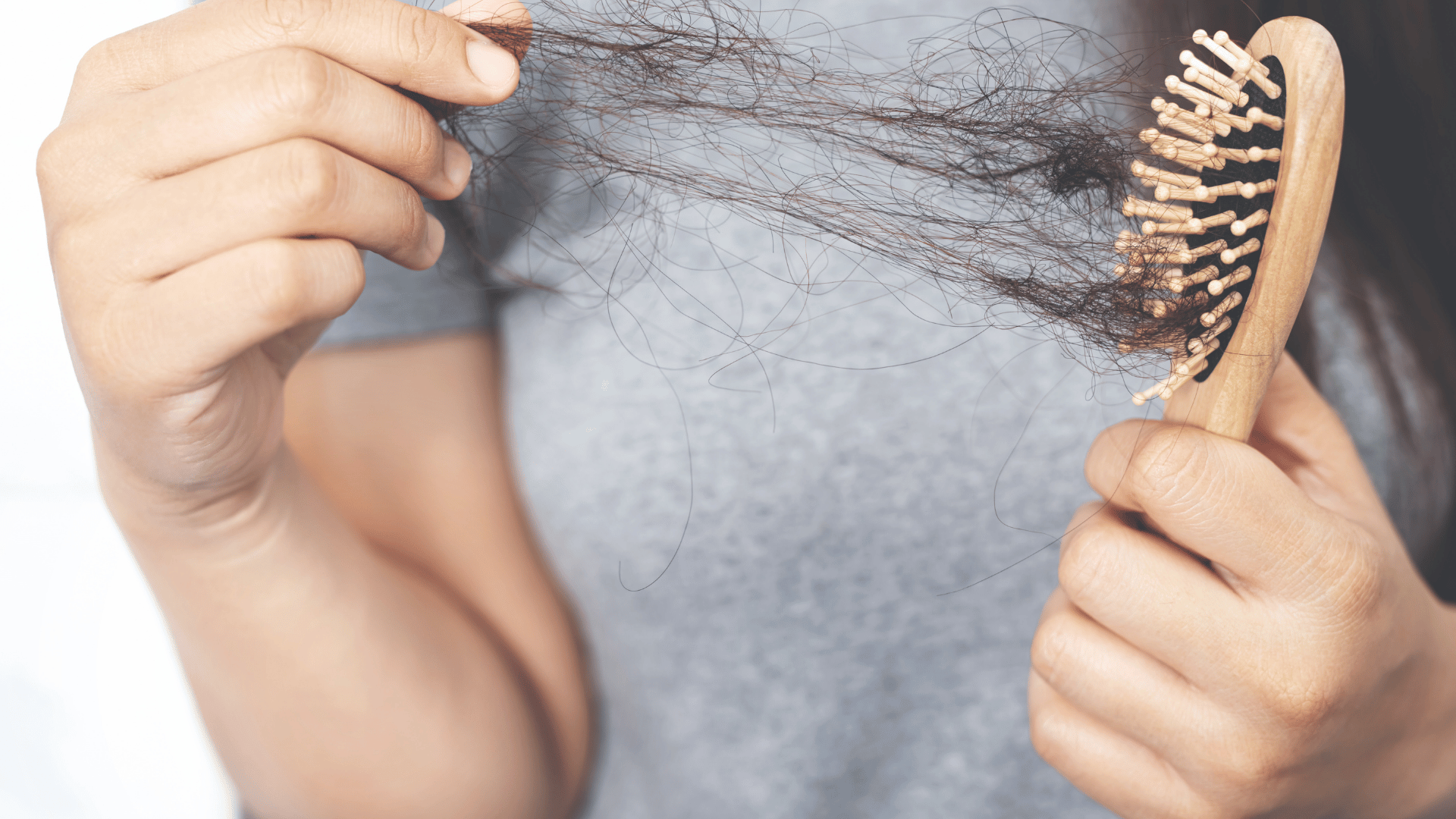
Hair loss typically happens 2–3 months after a period of physiological stress, so this sign often appears months into a new diet, not right away.
You’re Having Trouble Sleeping
Issues with sleep are also common if you’re under-fueling.
It may be difficulty falling asleep, but more commonly it shows up as waking in the night and having trouble going back to sleep.
Related: [Why Brain Fog is a Metabolic Problem (Not Just an Estrogen Problem) in Perimenopause].
Feeling Tired and Anxious
When your body is not fueled properly, it’s common to feel either tired and/or anxious.
Fatigue makes sense if you don’t have enough food energy to get through the day. Anxiety is common with any type of deficiency — for example: low calories, low protein, low carbs, low iron, low vitamin B12, or low vitamin D.
Feeling Cold All the Time
Under-eating will often cause you to feel cold all the time, even if you haven’t reached a very low level of body fat.
This can also happen because of slower thyroid hormone conversion (T4 to T3), which occurs due to metabolic stress and causes several low-thyroid signs to show up.
You may have perpetually cold hands and feet, feel colder at night than you used to, or get chills that are hard to warm up from.
Your Weight Has Plateaued
If you have been restricting too much with calories or carbohydrates, you may find that after an initial period of weight loss, you have plateaued or even started to gain some weight back.
This is very common if you have been restricting too aggressively, as your body begins to slow down and adapt to a new low calorie level.
In this case, you will need to gradually add back more food to stimulate your metabolism again. It may feel scary to eat more, but it’s often the only way to get your metabolism back.
Mood Swings
And finally, when you’re not eating enough, it’s extremely common to feel moody.
This happens from blood sugar swings, and also if you’re simply not eating enough to make neurotransmitters.
There is some truth behind feeling “hangry”.
Why Under-Eating Matters
If you’re experiencing changes in your period, constipation, hair loss, poor sleep, fatigue, feeling cold, a weight plateau, or mood swings, it may be a sign that your body is under too much metabolic stress.
This can happen even when you think you’re eating “healthy.”
For many women, under-eating is not intentional — it’s often the result of following health advice, low-carb diets, intermittent fasting, or trying to improve energy, weight, or hormones in a way that simply doesn’t fit your physiology.
What’s Next?
If some of these symptoms are sounding familiar, and you want to take a closer look at your nutrition plan, please ask at your next appointment.
You may have taken a health trend too far with extended overnight fasting, or you may simply not be getting enough carbohydrates, protein, or total calories for your energy needs.
Remember, this can happen even if you’re not on a weight-loss plan. I’ve seen many women who have stopped their periods simply from not eating enough carbohydrates after shifting to a more paleo or keto approach for health reasons.
A personalized assessment can help determine whether under-eating, metabolic stress, or blood sugar imbalance is contributing to how you feel.
Work with me: https://drshawnadarou.com/work-with-me
Phone: 437-562-7220
Email: [email protected]
Website: www.drshawnadarou.com
Dr. Shawna Darou's Online Store favourites
FAQs
What are the signs of under-eating?
Common signs of under-eating include hormone changes, constipation, bloating, hair loss, poor sleep, fatigue, anxiety, feeling cold, mood swings, and weight plateaus.
Can under-eating affect hormones?
Yes.Under-eating can disrupt hormone balance, especially in women, and may lead to missed periods, lighter cycles, delayed ovulation, or fertility issues.
Can under-eating cause hair loss?
Yes. Hair loss is a common symptom of under-eating, especially when calories, carbohydrates, or protein are too low for your body’s needs.
Can not eating enough slow metabolism?
Yes. Eating too little for too long can slow your metabolism, increase metabolic stress, and make weight loss harder over time.
Can under-eating cause constipation?
Yes. Under-eating, particularly when carbohydrates are too low, can slow digestion and contribute to constipation and bloating.
Is intermittent fasting bad for women?
Not always, but for some women — especially those who are active, stressed, or struggling with hormones —intermittent fasting can increase metabolic stress and worsen symptoms.
Can under-eating affect fertility?
Yes. Under-eating and restricting carbohydrates too much can interfere with ovulation and reproductive hormone balance, which may impact fertility.
Disclaimer
Please note that content on this website is intended for informational purposes only, and is not intended as a substitute for the advice provided by your physician or other healthcare professional. Do not use the information on this web site for diagnosing or treating a health problem or disease. Always speak with your physician or other healthcare professional before taking any medication or nutritional supplement, or using any treatment for a health problem. If you have or suspect that you have a medical problem, contact your health care provider promptly. Do not disregard professional medical advice or delay in seeking professional advice because of something you have read on this website. Information provided on this website DOES NOT create a doctor-patient relationship between you and any healthcare practitioner affiliated with our website.