Exercise and Training – Tips for Women in your 40’s and 50’s
by Dr. Shawna Darou, ND in Hormone balance
As many of you know, I am an avid runner and in the past couple of years have been learning more and more about how training needs to change once we reach our mid-40’s or ‘perimenopause’ years, and extending through post-menopause. If you exercise or train regularly, you may have noticed some of these changes too, such as:
More injuries, and they take much longer to heal – knee problems, plantar fasciitis, frozen shoulder especially.
Body composition changes – carrying weight in the central abdomen that you never had before, in spite of consistent training.
Tendency to hit overtraining syndrome more easily – fatigue, reduced heart rate variability, poor sleep quality, reduced performance.
Reduction in muscle mass, leading to less strength and power in your sport.
Generally slower recovery from intense training days – muscle soreness, fatigue.
As I have learned throughout my career as a naturopathic doctor, hormones affect everything, and this includes how our bodies respond to exercise. Once estrogen and progesterone start to fluctuate (usually 5-7 years before onset of menopause) and then drop post-menopause, your body has new requirements to stay fit, fast and injury-free. There is SO much mis-information about training that quite simply doesn’t apply to women, and especially women in this age group.
Top tips for training in your 40’s and 50’s:
1) Don’t train more than 3 hard days per week
To get the most benefit out of your training, get more clear on which days are your workout days, and which days are easy days. You can’t push to the max with every workout, and you will get much better results with fewer, focused hard workouts each week. A hard day would include HIIT training, heavy weight lifting, a long cardio session (more than 1 hour), tempo training, running or biking hills, any type of intense interval training (running, spinning, cycling, rowing).
2) Easy days need to be really easy
Along the same lines, an easy day must be really easy – for example a 30 minute jog, a hike with friends, swimming in a lake, yoga or pilates class. Don’t fall into the temptation of adding tempo training on your easy days – this will interfere with your workouts and recovery.
3) Include HIIT and Plyometrics (jumping)
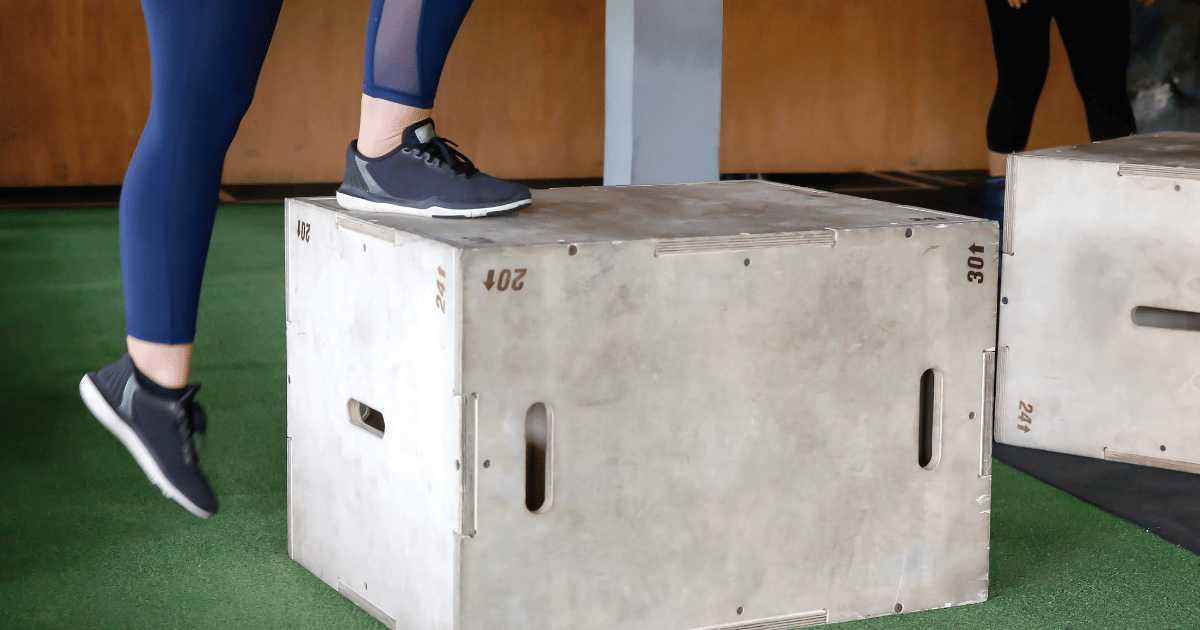
Once your hormones start to fluctuate and then drop, it is much harder to maintain your lean muscle mass, body composition and power. Studies show that HIIT workouts (high-intensity interval training) are one of the most effective ways to counterbalance this. The key with HIIT is that it is no longer than 45 minute duration, ideally 30 minutes per session. Plyometrics or jumping exercises such as box jumps, jump squats, bounding, clap pushups and hopping are actually the best to maintain your bone density and muscle speed. Make sure that this type of exercise is safe for you if you have injuries, especially to knees, hips and feet.
Caution: with HIIT and plyometrics is that you do need to be careful with your cortisol. Intense exercise raises cortisol, and this is an issue if your baseline cortisol is already high. It is important to test first, otherwise adding more intensity to your workouts will cause more hormone imbalance and stress your body too much. See more about stress and overwhelm in perimenopause.
4) Never exercise fasted
For women, fasted exercise is not likely to be a great idea for anyone, but this is especially key in your 40’s and 50’s. Exercising fasted causes a significant stress hormone response to your workout, which will reduce the the training effect and cause more issues with body composition (i.e. weight gain). Even if you exercise early in the morning, it is important to have something to eat before training – ideally a balance of carbs + protein.
Along the same lines, if you are an athlete, intermittent fasting is not likely to be a good idea – for weight, longevity or training. You can get much better positive impacts on your health and aging with regular exercise. Women’s bodies respond differently to fasting than men.
5) Your protein needs are higher
If you are exercising or training at least three times per week, you will need to increase your protein intake to maintain and build muscle. In general, a female athlete will require 2 grams of protein per kg of body weight. For example, a 60 kg (132 lb) woman will need 120 grams of protein per day. This amount will be a little higher for power sports and heavy weight-lifting.
Following your workout with 30 grams of protein will lower the cortisol response to your workout by immediately replenishing nutrients. Then space the remaining protein evenly between your meals and snacks.
6) Cycle your training with easy weeks
As you reach perimenopause and menopause, it is extremely important to build in more regular down-weeks in your training schedule. These are important to reduce the impact of the stress of intense training on your body, to emphasize sleep and rest, and to allow for full muscle recovery. The pattern of down-weeks will differ depending on the intensity of your training, but they need to be at least every 6 weeks, and possibly as often as every 3 weeks. A down week doesn’t mean you lie on the couch – it is a significant reduction in your training load, and exclusion of intense workout sessions.
For many of us, down weeks feel scary, and we’re afraid we will lose the gains from training, lose momentum or gain weight. It is actually 100% the opposite. After a down-week, you come back faster and stronger, and ready to push through to the next level.
7) Emphasize rest
Along the same lines, you have likely noticed in this age range that your entire physiology is more sensitive to stress and the pace of life. You may feel more anxious, have trouble sleeping, and feel more overwhelmed. These are all signs that you need to focus on ways to balance your parasympathetic nervous system. This may include a daily meditation practice, spending time in nature, creating a consistent bedtime routine, and especially building breaks and downtime into your week.
By emphasizing proper rest, you will greatly reduce your injuries, improve recovery time and also improve body composition. As I have told many of you “It’s not how hard you work, it’s how well you rest.”
What’s Next?
I hope these tips have given you some insight into training in your 40’s and 50’s, whether it’s running, cycling, triathlons, using a spin bike or any type of workout that you enjoy. I am also happy to discuss how to personalize these recommendations during an appointment anytime. It’s not to late to go for a PR in your 40’s or 50’s if you’re training properly and adjusting according to your hormones.
Book an appointment with Dr. Darou online to create a customized exercise plan for your unique physiology and life stage.
Join the Next Level Health Program : https://drshawnadarou.com/next-level-health
Contact us:
Phone: 437-562-7220
Email: [email protected]
Website: www.drshawnadarou.com
Dr. Shawna Darou's Online Store favourites
FAQs: Training in Your 40s and 50s
How should exercise change during perimenopause and menopause?
During perimenopause and menopause, training should include fewer high-intensity days, more recovery time, regular strength training, and planned down-weeks. Hormonal shifts affect muscle mass, recovery speed, and injury risk, so workouts should be more strategic and recovery-focused.
Why do injuries increase in your 40s and 50s even with regular training?
Declining estrogen and progesterone affect collagen, connective tissue, and muscle repair. This increases the risk of injuries such as plantar fasciitis, knee pain, and frozen shoulder, and also slows healing time. Adjusting training load and emphasizing recovery helps reduce injury risk.
Is HIIT safe for women in their 40s and 50s?
Yes — HIIT training can be very beneficial for maintaining muscle, bone density, and metabolic health. However, it should be limited to a few sessions per week, kept under 45 minutes, and balanced with recovery days. Women with high baseline cortisol should assess stress hormone levels before increasing intensity.
Should women over 40 exercise in a fasted state?
Fasted exercise is generally not recommended for women in their 40s and 50s. It increases stress hormone response and may negatively affect body composition, recovery, and hormone balance. A small pre-workout meal with protein and carbohydrates is typically better.
How much protein do active women over 40 need?
Women training at least three times per week often need about 2 grams of protein per kilogram of body weight per day to maintain and build muscle. Including about 30 grams of protein after workouts supports recovery and helps regulate cortisol response.
Why is recovery more important after 40?
Hormonal changes increase sensitivity to physical and psychological stress. Recovery practices — including sleep, rest days, meditation, and down-weeks — are essential for preventing overtraining, reducing injury risk, and improving performance and body composition.
What is a down-week in training and why is it important?
A down-week is a planned reduction in training intensity and volume every 3–6 weeks. It supports muscle repair, hormone balance, and nervous system recovery. Down-weeks help athletes return stronger and reduce burnout and injury risk.
Can women still improve performance and hit personal records after 40?
Yes. With hormone-aware training, proper recovery, strength work, and adequate nutrition, women can continue to build strength and improve performance in their 40s and 50s.
Disclaimer
Please note that content on this website is intended for informational purposes only, and is not intended as a substitute for the advice provided by your physician or other healthcare professional. Do not use the information on this web site for diagnosing or treating a health problem or disease. Always speak with your physician or other healthcare professional before taking any medication or nutritional supplement, or using any treatment for a health problem. If you have or suspect that you have a medical problem, contact your health care provider promptly. Do not disregard professional medical advice or delay in seeking professional advice because of something you have read on this website. Information provided on this website DOES NOT create a doctor-patient relationship between you and any healthcare practitioner affiliated with our website.